
Ayurvedic Approaches to Occupational Hazards: Balancing Health and Work
In present scenario balancing health and work is a herculean task for many individuals, here are few recommendation’s from ayurvedic point of view
- Prevention: Ayurveda emphasizes preventive measures to minimize the risk of occupational hazards. This includes promoting a healthy lifestyle, proper nutrition, regular exercise, and stress management techniques to strengthen the body’s natural resilience.
- Identification of Imbalances: Ayurveda recognizes that different occupations can create imbalances in the body and mind due to factors such as physical strain, exposure to toxins, irregular work hours, and mental stress. By understanding an individual’s unique constitution and imbalances, Ayurveda can help identify specific vulnerabilities and potential health risks associated with different occupations.
- Management of Stress: Ayurvedic practices such as yoga, meditation, and pranayama (breathing exercises) can be valuable tools for managing stress and promoting mental well-being in high-pressure work environments. These practices help reduce stress hormones, enhance relaxation response, and improve overall resilience to occupational stressors.
- Herbal Support: Ayurvedic herbs and formulations can play a supportive role in mitigating the effects of occupational hazards. Adaptogenic herbs like Ashwagandha and Brahmi can help the body adapt to stress, boost energy levels, and support cognitive function, while detoxifying herbs like Triphala can help eliminate toxins accumulated due to occupational exposures.
- Dietary Recommendations: Ayurveda provides dietary guidelines tailored to Prakruthi (individual constitutions) and imbalances to support optimal health and vitality in the face of occupational challenges. Emphasizing a balanced diet rich in fresh fruits, vegetables, whole grains, and nourishing herbs can help fortify the body against the negative impacts of occupational stressors.
- Panchakarma Therapies: In cases where occupational hazards have led to toxin accumulation or imbalances in the body, Ayurvedic detoxification therapies known as Panchakarma(Vamana,Virechana,Vasti,Nasya and Raktha mokshana) can be beneficial. These therapies help remove accumulated toxins, rejuvenate bodily tissues, and restore balance to promote overall health and resilience.
Related Articles

Swarnaprashana
Gold is explained as one among suddha loha and sapta loha which is said to be having both preventive and protective qualities. Gold is used internally due to its rasayana property. It is an ayurvedic way of treatment to boost immunity In today’s environment, immunity...

Panchamahabhuta
Panchamahabhuta Ayurveda is a unique aspect of Ayurvedic medicine that delves into the fundamental principles of the five elements—ether, air, fire, water, and earth. Derived from the Sanskrit words "pancha" meaning "five," "maha" meaning "great," and "bhuta" meaning...
Prakruti – Ayurvedic Body Constitution
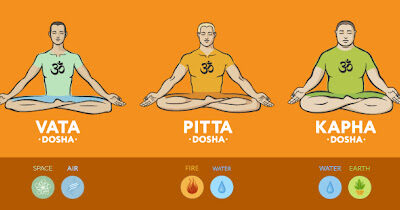
Prakruti Ayurveda is a fundamental concept in Ayurvedic medicine that focuses on understanding an individual's unique body constitution and its implications for health and well-being. Derived from the Sanskrit words "prakruti," meaning "nature," and "Ayurveda,"...