
Harmony of Mind and Body: Ayurvedic Insights into Mental Health
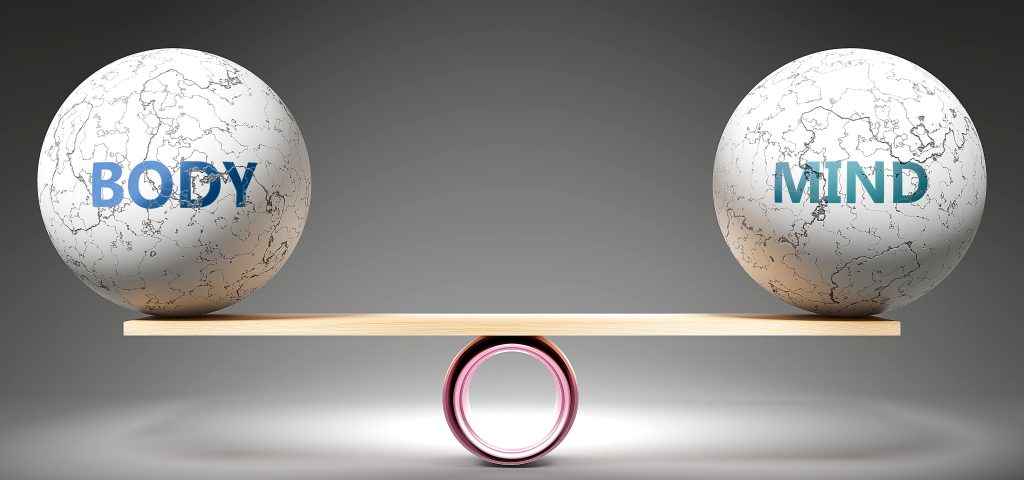
In Ayurveda, mental health is intricately linked with physical health and spiritual well-being. Ayurvedic philosophy views the mind as an integral aspect of the holistic human experience, influenced by various factors including individual constitution, diet, lifestyle, and environmental influences. Here’s how mental health works in Ayurveda:
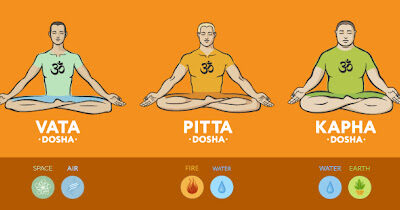
Tridosha Theory: Ayurveda describes three fundamental energies or doshas—Vata, Pitta, and Kapha—that govern all physiological and psychological processes in the body. Mental health is believed to be influenced by the balance or imbalance of these doshas. For example, an excess of Vata dosha may lead to anxiety and nervousness, while an excess of Pitta dosha can manifest as anger and irritability, and excess Kapha dosha may result in lethargy and depression.
Sattva, Rajas, and Tamas: Ayurveda also considers the qualities of the mind, known as Gunas. Sattva represents purity, clarity, and balance; Rajas represents activity, passion, and restlessness; Tamas represents inertia, dullness, and darkness. Mental health is thought to be optimal when the mind is predominated by Sattva, while an imbalance in Rajas and Tamas can lead to emotional disturbances and mental disorders.
Aggravating Factors: Ayurveda identifies various factors that can disturb mental equilibrium, including unhealthy diet, improper lifestyle habits, lack of routine, excessive sensory stimulation, emotional stress, trauma, and environmental toxins. These factors can disrupt the balance of doshas and Gunas, leading to mental imbalances and disorders.
Mind-Body Connection: Ayurveda recognizes the intimate connection between the mind and the body. Physical imbalances, such as digestive issues, hormonal imbalances, or chronic illnesses, can impact mental health, and vice versa. Therefore, Ayurvedic treatments often address both physical and mental aspects simultaneously to restore overall balance.
Treatment Modalities: Ayurvedic treatments for mental health issues may include dietary modifications, herbal remedies, lifestyle adjustments, stress management techniques (such as yoga and meditation), detoxification therapies (Panchakarma)which includes shirodhara , rejuvenation therapies (Rasayana), and counselling. These therapies aim to rebalance doshas, pacify disturbed Gunas, and promote overall well-being.
It is an assessment of physical, mental, and emotional factors is conducted to identify the root cause of mental disturbances, and treatments are tailored accordingly.
Related Articles

Swarnaprashana
Gold is explained as one among suddha loha and sapta loha which is said to be having both preventive and protective qualities. Gold is used internally due to its rasayana property. It is an ayurvedic way of treatment to boost immunity In today’s environment, immunity...

Panchamahabhuta
Panchamahabhuta Ayurveda is a unique aspect of Ayurvedic medicine that delves into the fundamental principles of the five elements—ether, air, fire, water, and earth. Derived from the Sanskrit words "pancha" meaning "five," "maha" meaning "great," and "bhuta" meaning...
Prakruti – Ayurvedic Body Constitution
Prakruti Ayurveda is a fundamental concept in Ayurvedic medicine that focuses on understanding an individual's unique body constitution and its implications for health and well-being. Derived from the Sanskrit words "prakruti," meaning "nature," and "Ayurveda,"...